
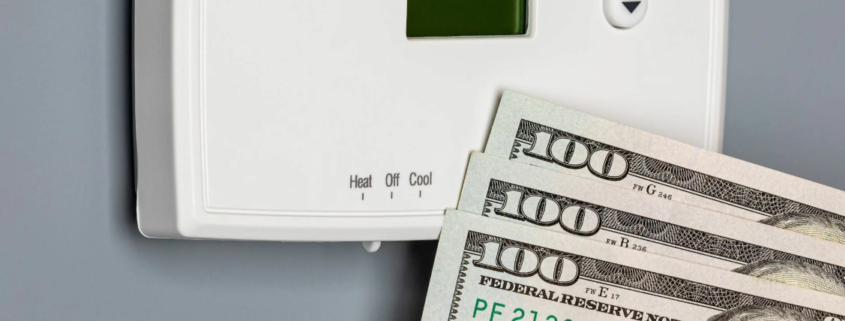
save money on your HVAC bill

When temperatures drop, households often brace themselves for higher heating costs. While most people focus on adjusting the thermostat to reduce energy use, there are other effective strategies often overlooked. By understanding how your HVAC system interacts with insulation, airflow, and home design, you can uncover hidden ways to lower costs without sacrificing comfort. This guide explores five practical, research-backed methods that go beyond thermostat settings to help you save money on your HVAC bill this winter.

What Does It Really Mean to Save Money on Your HVAC Bill?

Saving money on HVAC expenses means reducing the overall energy consumption required to heat your home. According to the U.S. Department of Energy, heating accounts for nearly 29% of household utility bills during colder months.

This does not just involve turning the thermostat down it requires optimizing how heat is produced, distributed, and retained. Understanding this holistic view ensures you make smarter decisions that extend beyond short-term fixes.

Why Is It Important to Look Beyond the Thermostat?

Many homeowners rely solely on thermostat adjustments to control costs. However, studies show that air leakage, poor insulation, and clogged filters can waste up to 20–30% of energy produced by an HVAC system. Focusing only on thermostat settings may temporarily lower usage but ignores structural inefficiencies. Looking at broader solutions helps improve system efficiency, increases home comfort, and reduces long-term repair expenses.

Who Benefits from Exploring Alternative HVAC Savings?

Every homeowner or tenant who pays utility bills can benefit from these strategies. However, certain groups may gain even more:

  • Families in colder climates who rely heavily on heating.
  • Homeowners with older HVAC systems that consume more energy.
  • Renters in drafty apartments with little control over insulation.
  • Seniors or those working from home who spend long hours indoors.

By adopting overlooked techniques, these groups can save money on their HVAC bill while maintaining comfort.

Where Can You Apply These Forgotten HVAC Savings Tips?

These methods can be applied throughout different parts of the home:

  • Attic and walls → Adding insulation prevents heat loss.
  • Windows and doors → Weather-stripping and sealing reduce drafts.
  • HVAC system itself → Regular maintenance improves efficiency.
  • Household routines → Smart habits like rearranging furniture can help airflow.

Implementing changes in multiple locations within your home creates a cumulative effect, leading to significant cost reductions.

When Should You Start Implementing These HVAC Savings?

The best time to start is before winter arrives, during the fall. Preventive maintenance, insulation upgrades, and sealing work are easier and often cheaper in mild weather. However, it is never too late. Many of these strategies, such as cleaning filters or reversing ceiling fans, can be done mid-winter for immediate results.

How to Save Money on Your HVAC Bill: 5 Forgotten Strategies

1. Seal Air Leaks Around Your Home

Drafts are a hidden source of energy waste. A small gap in a window frame can let out as much warm air as a hole the size of a brick. According to Energy Star, sealing leaks can cut heating costs by up to 15% annually. Use weather-stripping, caulking, and door sweeps to minimize air loss.

2. Add Insulation in Key Areas

Insulation acts as a thermal barrier, keeping heated air inside during winter. Homes built before 1980 often lack sufficient insulation. The attic is especially important, as heat naturally rises. By investing in blown-in or spray foam insulation, you create long-term savings that go far beyond thermostat adjustments.

3. Maintain Your HVAC System Regularly

Dirty filters, blocked vents, and neglected tune-ups force your system to work harder. The Department of Energy recommends replacing filters every 1–3 months during heavy use. A professional maintenance check before winter ensures peak efficiency, extends equipment lifespan, and helps homeowners save money on their HVAC bill.

4. Use Ceiling Fans to Circulate Warm Air

It may seem counterintuitive, but ceiling fans help distribute heat more evenly. Most fans have a reverse switch that rotates blades clockwise, pushing warm air down. This reduces the strain on your furnace and allows you to lower your thermostat slightly without losing comfort.

5. Rearrange Furniture and Optimize Airflow

Blocked vents and radiators prevent proper circulation. By moving couches, rugs, or large furniture away from vents, warm air flows freely throughout the room. Adding reflective panels behind radiators also prevents heat from being absorbed into walls, improving efficiency.

Pros and Cons of Forgotten HVAC Savings Strategies

Strategy

Pros

Cons

Air sealing

Low-cost, immediate impact

Requires periodic maintenance

Insulation upgrades

Long-term savings, improves comfort

Higher upfront cost

HVAC maintenance

Extends system lifespan, reduces breakdowns

Service appointments may cost extra

Ceiling fans in reverse

Distributes heat, low energy use

Only effective in rooms with fans

Rearranging furniture

Free, instant results

Limited by room layout

Conclusion

Thermostat adjustments may be the most obvious step, but they are not the only way to manage heating costs. By sealing air leaks, upgrading insulation, maintaining your HVAC system, reversing ceiling fans, and optimizing airflow, you can effectively save money on your HVAC bill while staying warm all winter.

These strategies provide both immediate relief and long-term financial benefits, making them essential tools for homeowners seeking smarter energy management. For more guidance on upgrades and expert HVAC installation services, check out top HVAC installation services that can further improve comfort and efficiency in your home.

FAQs

Q1: How much can sealing air leaks save on heating bills?
Sealing leaks and adding insulation can save up to 20% on heating and cooling costs, according to the U.S. Department of Energy.

Q2: Does reversing ceiling fans really help in winter?
Yes, reversing the fan pushes warm air down from the ceiling, making rooms feel warmer without raising the thermostat.

Q3: How often should air ducts be cleaned?
Experts recommend cleaning ducts every 3–5 years, or sooner if you notice dust buildup or reduced airflow.

Q4: Is a zoning system worth the investment?
For larger homes, zoning can cut energy waste significantly, making it cost-effective in the long run.

Q5: Can natural sunlight really reduce HVAC usage?
Absolutely. Opening curtains on sunny days allows passive solar heating, lowering the need for artificial heat.

smart-thermostat

Explore smart thermostat comfort and savings guide improve your home’s climate, reduce energy costs, and enjoy smart features that adapt to your lifestyle. In today’s fast-paced world, homeowners are always searching for ways to make life more comfortable and energy-efficient. One of the most impactful upgrades in recent years is the smart thermostat. This small device may seem simple at first glance, but it plays a major role in controlling temperature, cutting energy bills, and giving homeowners more control than ever before. The idea of combining comfort with savings is no longer a dream it’s a reality thanks to smart thermostat comfort and savings.

In this blog, we’ll break down how smart thermostats work, how they improve your comfort, how they help you save money, and why they are becoming a must-have in modern homes. Whether you’re a tech lover or someone just looking to reduce your utility bills, this guide will help you understand everything you need to know.

What is a Smart Thermostat?

Smart thermostats are digital devices that manage your home’s heating and cooling systems. Unlike traditional thermostats, smart versions connect to Wi-Fi and allow remote control through a smartphone, tablet, or smart home system.

These thermostats learn your habits, adjust temperatures automatically, and provide energy usage reports. This makes them a smarter and more efficient way to manage home comfort.

Smart thermostats are ideal for busy families, people who travel often, or anyone looking to reduce unnecessary energy usage.

The Role of Smart Thermostats in Home Comfort

Comfort is about more than just temperature — it’s about maintaining the right environment at the right time. Smart thermostats offer this flexibility.

They track when you’re home or away and adjust the temperature accordingly. This avoids overheating or overcooling your space when it’s not needed. You can also create schedules that align with your lifestyle like warming the house before you wake up or cooling it down before you return from work.

By using a smart thermostat, you’re creating a space that fits your life without needing constant manual changes.

How Smart Thermostats Help You Save Money

One of the biggest reasons people switch to smart thermostats is to save money on energy bills. These devices are smart enough to avoid wasting power by running your HVAC system only when it’s needed.

According to multiple energy studies, smart thermostat users save between 10% to 23% on heating and cooling costs. That’s a big chunk of change over the course of a year.

With real-time reports and energy tracking features, users can see where they’re using the most energy and find ways to adjust. Over time, this insight contributes to smarter habits and increased savings.

In simple terms, smart thermostat comfort and savings go hand in hand you get both a cozier home and more money in your pocket.

Remote Access and Control from Anywhere

One of the best features of a smart thermostat is remote control. Whether you’re at work, on vacation, or simply on the couch, you can change your home’s temperature settings using your smartphone.

This means no more rushing home to adjust the heat or forgetting to turn off the AC before leaving. You stay in control wherever you are, reducing waste and increasing your home’s comfort levels.

For parents or people who share their space, the ability to monitor and adjust settings remotely also gives peace of mind and added flexibility.

Integration with Smart Home Systems

Smart thermostats easily connect with other smart home devices. From Alexa to Google Assistant, integration allows for voice control and advanced automation.

For example, you can create a command like “I’m leaving” that turns off the lights, locks the doors, and adjusts the thermostat — all at once.

By linking your thermostat with other smart gadgets, you enhance your home’s overall efficiency and create a seamless living experience.

Energy Reports and Usage Insights

Another key feature is the ability to track your energy use. Smart thermostats provide monthly and even daily reports that show how and when you’re using energy.

These reports help identify wasteful habits like leaving the heat too high overnight and suggest ways to fix them. Some models even give energy-saving tips based on your specific usage patterns.

Over time, this helps you reduce energy use while keeping your comfort intact, reinforcing the value of smart thermostat comfort and savings without having to constantly think about it.

Learning Your Preferences Automatically

Many smart thermostats learn from your behavior. For instance, if you always turn the heat up in the morning and down at night, the device will remember and start doing it for you.

This learning capability means less effort on your part. Your thermostat becomes smarter over time and provides a more personalized and efficient experience.

Eventually, your home’s temperature settings will reflect your preferences perfectly without you lifting a finger.

Environmental Benefits of Smart Thermostats

Besides saving money and increasing comfort, smart thermostats help reduce your carbon footprint. Lower energy use means fewer greenhouse gas emissions.

Many utility companies even offer rebates or discounts for installing a smart thermostat as part of energy-saving programs.

By using energy only when needed, you’re doing your part to protect the environment — another powerful reason to adopt this technology.

Choosing the Right Smart Thermostat

There are many smart thermostat brands and models to choose from. When selecting one, consider the following:

  • Compatibility with your HVAC system
  • Wi-Fi connectivity
  • Learning capabilities
  • App interface and user experience
  • Smart home integration (Amazon Alexa, Apple HomeKit, etc.)
  • Energy reporting features

Popular brands like Nest, Ecobee, Honeywell, and Emerson offer a variety of models that fit different budgets and preferences.

Choosing the right model ensures you’ll fully enjoy both comfort and savings.

Installation: DIY or Professional Help?

Some smart thermostats are easy to install on your own, especially if your existing wiring is compatible. Many brands offer step-by-step guides and videos to walk you through the process.

However, if your HVAC system is complex or you’re unsure about the wiring, hiring a professional is a smart move. This ensures everything is set up safely and correctly.

A proper installation is key to unlocking the full potential of smart thermostat comfort and savings.

Common Mistakes to Avoid

Even the best technology can fall short if not used correctly. Here are a few common mistakes people make with smart thermostats:

  • Not setting a schedule
  • Ignoring software updates
  • Installing it in the wrong location (e.g., near a window or heat source)
  • Failing to use energy reports

Avoiding these issues will ensure your smart thermostat delivers the performance you expect.

Maintenance and Updates

Smart thermostats require little maintenance. However, keeping the app updated and ensuring your device receives regular software updates will improve performance and security.

Occasionally clean the thermostat screen and check for any error messages. Most issues can be fixed by restarting the device or checking your Wi-Fi connection.

Staying updated ensures long-term performance, comfort, and cost savings.

Real-Life Examples of Savings

Let’s take a quick look at how some real families benefit from their smart thermostats:

Case 1:
The Johnson family from Ohio installed a smart thermostat before winter. Their heating bill dropped by 20% in the first two months, simply by setting a schedule and adjusting temperatures when they weren’t home.

Case 2:
A couple in Arizona used their smart thermostat to cool their home only during certain hours. With the help of usage reports, they identified peak electricity hours and adjusted their usage. This cut their summer cooling bills by nearly 30%.

These stories show that smart thermostat comfort and savings is more than just a promise — it’s a result you can feel and measure.

Is It Worth the Investment?

Smart thermostats may cost more upfront than traditional models, but the long-term savings and added comfort make them well worth it. When you factor in rebates, energy savings, and increased control, the value is clear.

Plus, most homeowners see a return on investment within a year or two.

You’re not just buying a gadget, you’re investing in a smarter way of living.

Conclusion: A Smart Choice for a Better Life

Smart thermostats are changing the way we think about home temperature control. They blend comfort, convenience, and savings into one simple device. Whether you want to reduce your energy bills, automate your home, or just make life a little easier, a smart thermostat delivers.

If you’re ready to upgrade, remember to choose a model that fits your needs and make full use of its features. When used correctly, you’ll enjoy the full benefits of smart thermostat comfort and savings.

Your future home isn’t just smart it’s comfortable, efficient, and environmentally friendly too.

People Also Ask (FAQs)

1. Do smart thermostats really save money on energy bills?

Yes. Smart thermostats can save homeowners anywhere from 10% to 23% on heating and cooling costs by learning your habits, automatically adjusting temperatures, and minimizing energy waste. Over time, these savings can add up to hundreds of dollars per year.

2. Will a smart thermostat work with my current HVAC system?

Most smart thermostats are compatible with standard HVAC systems, but it’s important to check before purchasing. You’ll need to know if your system is low-voltage (24V), which most are. Some systems may require a C-wire or an adapter for full functionality.

3. Can I install a smart thermostat myself, or do I need a professional?

Many smart thermostats are designed for DIY installation and come with step-by-step guides or apps. However, if your wiring is complex or you’re not comfortable with electrical work, it’s best to hire a professional to ensure safe and proper installation.

4. How does a smart thermostat improve home comfort?

Smart thermostats adjust temperature based on your schedule, presence, and preferences. They keep your home warm when you’re there and save energy when you’re not. Some even learn your routine over time, ensuring your space is always at a comfortable temperature without constant manual changes.

5. Are smart thermostats secure and private?

Reputable smart thermostats use encryption and secure cloud storage to protect your data. It’s important to use strong Wi-Fi passwords, keep the device’s firmware updated, and buy from trusted brands to ensure your information stays safe.