
How Indoor Air Quality Monitoring and Air Duct Cleaning Can Protect Your Health at Home
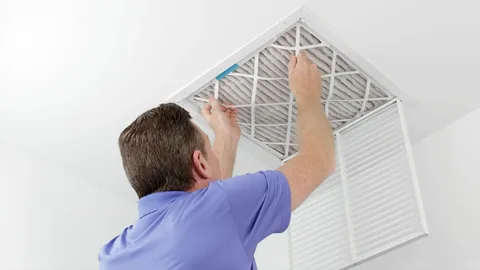
In today’s fast-paced world, we focus heavily on healthy lifestyles—watching what we eat, exercising regularly, and even being mindful of the environment. However, one critical aspect of health that is often overlooked is the quality of the air we breathe indoors. According to the Environmental Protection Agency (EPA), indoor air can be five times more polluted than outdoor air. Considering that most people spend around 90% of their time indoors, it’s clear that indoor air quality (IAQ) is a vital factor for health and well-being.
In this blog, we’ll explore how indoor air quality monitoring and air duct cleaning can help protect your health, improve your living environment, and provide peace of mind for you and your family.
Understanding Indoor Air Pollution
Indoor air pollution refers to the presence of contaminants inside your home or office that can negatively impact health. These pollutants may be:
-
Dust and dirt: Common in air ducts, carpets, and furniture, contributing to allergies and respiratory issues.
-
Mold and mildew: Develops in damp areas like bathrooms, basements, and around HVAC systems, triggering asthma and other respiratory conditions.
-
Volatile Organic Compounds (VOCs): Emitted from paints, cleaning products, and certain building materials, which can cause headaches, nausea, and long-term health problems.
-
Pet dander and allergens: Affects allergy sufferers and can lead to chronic respiratory issues.
-
Chemical pollutants: From household cleaners, pesticides, and smoke.
Over time, these pollutants accumulate and circulate through your HVAC system, affecting every room in your home. Children, elderly family members, and those with pre-existing health conditions are particularly vulnerable.
The Importance of Indoor Air Quality Monitoring
Indoor air quality monitoring is the process of measuring pollutants and environmental conditions in your home. This helps identify potential health risks before they become serious problems. Modern IAQ monitoring systems can detect:
-
Particulate matter (PM2.5 and PM10)
-
Carbon monoxide (CO)
-
Carbon dioxide (CO2)
-
Humidity levels
-
VOCs and chemical pollutants
-
Temperature and airflow patterns
By monitoring these factors, homeowners can make informed decisions about improving air quality, such as adjusting ventilation, using air purifiers, or scheduling regular HVAC maintenance.
Health Benefits of IAQ Monitoring
-
Reduced Allergies and Asthma Symptoms: By detecting allergens like dust, pollen, and pet dander, IAQ monitoring helps prevent flare-ups and supports respiratory health.
-
Lower Risk of Respiratory Illness: Continuous monitoring can alert you to pollutants that cause bronchitis, sinus infections, and other lung conditions.
-
Improved Sleep and Comfort: Clean air contributes to better sleep quality and overall comfort in your home.
-
Peace of Mind: Knowing your air is clean and safe reduces stress and ensures a healthier living environment for your family.
The Role of Air Duct Cleaning
Your HVAC system works hard to circulate air throughout your home, but over time, dust, mold, and debris accumulate in your air ducts. Air duct cleaning is the process of removing these contaminants to improve indoor air quality and system efficiency.
Why Air Duct Cleaning Matters
-
Removes Allergens: Dust, pollen, and pet dander in your air ducts can exacerbate allergies and asthma. Cleaning eliminates these irritants.
-
Prevents Mold Growth: Moisture in air ducts can lead to mold, which spreads spores throughout your home. Cleaning removes mold and inhibits future growth.
-
Enhances HVAC Efficiency: Clean ducts allow air to flow freely, reducing energy consumption and lowering utility bills.
-
Eliminates Unpleasant Odors: Lingering smells from mold, pets, or cooking can be trapped in ducts. Cleaning removes these odors.
When to Schedule Air Duct Cleaning
-
Visible mold growth inside ducts or around vents
-
Excessive dust or debris released when the system is on
-
Evidence of pests (rodents or insects) in the ducts
-
Unexplained allergy or asthma symptoms worsening indoors
-
After major renovations or construction
How IAQ Monitoring and Duct Cleaning Work Together
While IAQ monitoring detects pollutants and identifies risks, air duct cleaning actively removes contaminants, creating a clean and healthy indoor environment. Together, they form a proactive approach to maintaining air quality:
-
Identify the Problem: Monitoring reveals high levels of dust, mold, or chemical pollutants.
-
Implement a Solution: Air duct cleaning removes the contaminants and improves airflow.
-
Continuous Improvement: Ongoing monitoring ensures that indoor air remains clean and safe, while routine HVAC maintenance prevents buildup.
This combination not only protects your family’s health but also prolongs the life of your HVAC system and enhances overall home comfort.
Choosing the Right IAQ and Air Duct Service Provider
When it comes to indoor air quality and duct cleaning, it’s important to choose experienced professionals. Look for companies that offer:
-
Advanced testing and monitoring equipment
-
Certified technicians trained in HVAC and air quality
-
Customized solutions tailored to your home or commercial space
-
Transparent pricing and service guarantees
-
Eco-friendly and safe cleaning methods
In the Washington metropolitan area, Sami James HVAC is known for providing comprehensive indoor air quality services and professional air duct cleaning, ensuring your home remains a safe and healthy environment.
Additional Tips for Improving Indoor Air Quality
Even with professional services, there are several steps homeowners can take to maintain clean air:
-
Regular HVAC Maintenance: Change filters every 1–3 months and schedule annual inspections.
-
Use Air Purifiers: HEPA filters can remove fine particulate matter from indoor air.
-
Control Humidity: Keep humidity levels between 30–50% to prevent mold growth.
-
Ventilate Properly: Open windows and use exhaust fans to improve airflow.
-
Minimize Indoor Pollutants: Choose low-VOC paints, cleaners, and materials.
Conclusion
Indoor air quality is a critical component of a healthy home environment. With pollutants like dust, mold, chemicals, and allergens circulating in our living spaces, monitoring air quality and maintaining clean air ducts are essential steps in protecting your family’s health.
By combining indoor air quality monitoring with professional air duct cleaning, homeowners can reduce allergies, prevent respiratory issues, improve HVAC efficiency, and enjoy a cleaner, more comfortable living space.
Investing in your indoor air quality is an investment in your health. Don’t wait for problems to arise—take proactive steps today to breathe cleaner, healthier air and create a home environment that supports well-being for everyone.
Contact Sami James HVAC today to learn more about our indoor air quality services and air duct cleaning solutions for a healthier, safer home.

Leave a Reply
Want to join the discussion?Feel free to contribute!